
Casino Slot RTP and Volatility Explained
Understand how Return to Player (RTP) and volatility influence your slot game experience. This guide explains these crucial metrics, helping you choose games that align with your risk tolerance and preferred payout frequency for more informed play.

What you need to know
RTP (Return to Player) is the theoretical percentage of wagers a slot returns over time, while volatility describes the risk, influencing how frequently and how large payouts are. Understanding both helps players choose games aligning with their risk tolerance and desired gameplay experience.
Numbers with an explanation
This indicates the average amount returned to players over millions of game rounds. It is a long-term statistical measure, not a guarantee for any single session.
This categorizes the risk level and payout pattern of a slot.
How to interpret this
RTP and volatility are fundamental concepts that define a slot game's payout behavior and risk profile. RTP provides a long-term statistical expectation, while volatility shapes the short-term experience of wins and losses. Players should consider both to manage expectations and select games that fit their personal playing style and bankroll.
₱1,000 Theoretical Wager Example
- Total wagered: ₱10 × 100 spins = ₱1,000.
- Long-run theoretical return: ₱1,000 × 96% = ₱960.
- Theoretical house edge: ₱1,000 − ₱960 = ₱40 (4%).
Result: From ₱1,000 wagered, the long-run theoretical return is about ₱960 and the theoretical house edge is about ₱40.
The 96% RTP is an illustrative teaching value, not a claim about a specific game. ₱960 is a long-run theoretical return, not a prediction that a player will receive ₱960 after 100 spins. Individual sessions can vary widely.
RTP vs. Volatility
| Factor | Return to Player (RTP) | Volatility | What it means |
|---|---|---|---|
| What it measures | Long-term theoretical payout percentage | Frequency and size of payouts (risk level) | RTP tells you the game's overall generosity over time, while volatility tells you how that generosity is distributed in terms of win frequency and amount. |
| Impact on session | Does not predict short-term wins or losses | Directly influences the flow of wins/losses in a session | A high RTP doesn't mean you'll win often in a short session; volatility dictates the ride you'll experience, from steady small wins to rare big hits. |
| Player preference | Generally, higher is preferred for long-term value | Depends on risk tolerance and bankroll size | Players seeking better theoretical returns will look for higher RTP, while those who prefer consistent play or big jackpot hunts will choose volatility accordingly. |
Understanding Return to Player (RTP) and volatility is crucial for anyone engaging with casino slot games. These concepts help players make informed decisions about which games to play based on their preferences for risk and payout frequency. While RTP provides a long-term theoretical payout percentage, volatility gives insight into the short-term game experience, influencing how often and how much a player might win or lose during a session.
What is Return to Player (RTP)?
Return to Player (RTP) is a theoretical percentage that represents the amount of wagered money a slot machine is expected to pay back to players over an extended period of play. It's a long-term average, meaning it reflects the game's payout behavior over millions of spins, not necessarily what a player will experience in a single session. For example, a slot game with an RTP of 96% theoretically means that for every $100 wagered, the game is expected to return $96 to players over many spins. This metric is important because it provides an indication of the game's fairness and how much of the wagers are returned to players over time. However, individual session results can vary significantly due to the random nature of slot outcomes. A practical takeaway is to view RTP as a guide for long-term expectations rather than a guarantee for short-term results.
What is Slot Volatility?
Volatility, also known as variance, in slot games refers to the risk level associated with a particular game. It describes how often and how much a slot machine is likely to pay out. Understanding volatility helps players choose games that align with their risk tolerance and bankroll management. Slot games can generally be categorized into three main types of volatility: low, medium, and high. This distinction matters because it directly impacts the player's experience regarding win frequency and prize size. For instance, a high volatility slot might offer the chance for very large wins, but these wins occur less frequently, potentially leading to longer periods without significant payouts. Conversely, a low volatility slot offers more frequent, smaller wins, which can extend playtime with less risk of rapid bankroll depletion. A practical takeaway is to consider your personal playing style: do you prefer consistent small wins or the thrill of chasing a big jackpot?
Low Volatility Slots: Frequent Small Wins
Low volatility slots typically offer frequent, smaller wins. These games are often preferred by players who enjoy longer playing sessions with less risk of rapid bankroll depletion. While wins are more common, the payouts for each win are generally modest. This type of slot is beneficial for players with smaller bankrolls or those who prioritize entertainment and extended playtime over the pursuit of large jackpots. The consistent, albeit small, returns can make the gaming experience feel more rewarding and less frustrating. An example would be a slot where bonus rounds trigger often, but the payouts from these rounds are not exceptionally high. The practical takeaway is that if you want to make your bankroll last longer and enjoy a steady stream of small wins, low volatility slots are a suitable choice.
High Volatility Slots: Infrequent Large Wins
High volatility slots are characterized by less frequent but potentially larger wins. These games carry a higher risk, as players might experience long dry spells without significant payouts. However, when a win does occur, it can be substantial, often including significant jackpots or large bonus round payouts. High volatility slots appeal to players who are willing to take greater risks for the chance of a big payout and have a larger bankroll to withstand periods of losses. An example could be a slot game with a progressive jackpot or very lucrative free spins features that are difficult to trigger. The practical takeaway is that high volatility slots are for players who are patient, have a higher risk tolerance, and are chasing significant wins, understanding that they might have to endure extended periods without substantial returns.
Medium Volatility Slots: A Balanced Approach
Medium volatility slots strike a balance between low and high volatility games. They offer a mix of both frequent smaller wins and occasional larger payouts, providing a more balanced gameplay experience. These slots are a good choice for players who want a blend of consistent smaller wins to maintain their bankroll and the potential for more significant payouts. They offer a middle ground for risk and reward, making them suitable for a wide range of players. An example might be a slot that offers regular small wins in the base game but also has a bonus feature that can lead to moderately large payouts. The practical takeaway is that medium volatility slots are a versatile option for players who enjoy a dynamic experience without committing to the extreme ends of the volatility spectrum.
How RTP and Volatility Interact
While RTP and volatility are distinct concepts, they both contribute to the player experience of a slot game. A game's RTP indicates its theoretical payout efficiency over time, while its volatility dictates the journey a player might take to reach those payouts. It's a common misconception that a high RTP automatically means frequent wins; this is where volatility plays a crucial role. A high RTP slot can still be highly volatile, meaning it pays back a large percentage over time, but individual sessions might involve significant swings in bankroll due to infrequent large wins. Conversely, a low volatility slot with a decent RTP might offer a more consistent experience with smaller, more frequent returns. Players often consider both metrics when choosing a slot game to align with their playing style and risk tolerance. Understanding this interaction allows for more informed game selection, helping players manage expectations and choose games that best suit their preferences for risk and reward. Game specifications and RTP can vary by version or market; verify the current provider/operator information.
Pros
- RTP helps players understand the theoretical long-term payout percentage of a slot game.
- Volatility helps players choose games that match their risk tolerance and preferred payout frequency.
- Understanding these metrics allows for more informed game selection and bankroll management.
Cons
- RTP is a theoretical average and does not guarantee short-term outcomes for individual sessions.
- High volatility can lead to extended periods without significant wins, requiring a larger bankroll.
- Low volatility might not appeal to players seeking large jackpot opportunities or high-risk thrills.
FAQ
What is a good RTP for a slot machine?
A good RTP for a slot machine is generally considered to be 96% or higher. However, what is 'good' can also depend on individual player preferences and the specific game's features.
Does RTP affect how often I win?
RTP primarily affects the theoretical percentage of money returned over a long period, not necessarily the frequency of wins in a short session. Win frequency is more closely related to a game's volatility.
Can I determine a slot's volatility?
Many game providers or casino sites will state the volatility of their slot games. Players can also infer volatility by observing the payout structure, such as the size of the maximum jackpot and the frequency of smaller wins during demo play.
Does a high RTP guarantee I will win?
No, a high RTP does not guarantee you will win. RTP is a theoretical average over millions of spins. Your individual session results can vary greatly due to the random nature of slot games.
Are high volatility slots always better for big wins?
High volatility slots offer the potential for larger wins, but these wins are less frequent. They are better for big wins if you have the patience and bankroll to withstand longer periods without significant payouts.
Common mistakes and better choices
Understand that RTP is a long-term average, and win frequency is determined by volatility, not solely RTP.
Consider your bankroll and risk appetite, then choose a volatility level that allows for enjoyable and sustainable play.
Recognize that individual session outcomes are random and can deviate significantly from the theoretical RTP due to chance.
Games connected to this topic

Book of Dead
Play'n GO
- RTP
- 96.24%
- Volatility
- —
- Max Win
- 5,000x

Money Cart 3
Relax Gaming
- RTP
- —
- Volatility
- —
- Max Win
- —

Granny vs Zombies
Microgaming
- RTP
- —
- Volatility
- High
- Max Win
- —
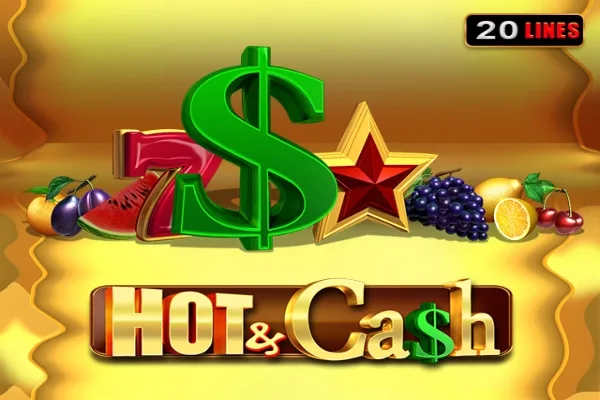
Hot & Cash
Amusnet
- RTP
- 96.08%
- Volatility
- —
- Max Win
- —
Offers relevant to the next step



Related Guides
 Gates of Olympus Strategy Guide: Bankroll Planning and Session ManagementUpdated Aug 25, 2026
 Monster Quest Guide: RTP, Volatility, Max Win and Key FeaturesUpdated Aug 25, 2026
 Wolf It Up Again B3 Guide: RTP, Volatility, Max Win and Key FeaturesUpdated Aug 25, 2026
 Fairy Pixie Fire Bonus Features Guide: Free Spins, Multipliers and Special MechanicsUpdated Aug 25, 2026
 Understanding Slot Bonus Features: Free Spins, Multipliers, and Special MechanicsUpdated Aug 25, 2026
 Gates of Olympus 1000 Strategy Guide: Bankroll Planning and Session ManagementUpdated Aug 25, 2026